Religious Differences in Morocco (Assessed)

Being from the United States, and being exposed largely to the Western world in general, I have grown accustomed to certain societal freedoms. Morocco is by no means as hardcore in their mostly Islamic societal practices as, say, Iran or Saudi Arabia, but travelers from the west should be wary of safety concerns that stem from the legal systems that are largely influenced by these religious institutions. For example, the British government advises foreign travelers that Morocco strictly condemns sexual relations outside of marriage, and that many hotels will require legal marriage documentation if travelers are wanting to share a room with their partner. Furthermore, homosexuality is strictly forbidden, so these practices should be entirely avoided for safety reasons, especially in any public settings. The Australian Government also advises travelers to be wary of potential terrorist attacks.

There was a rather famous case within the past year of two Scandinavian women being captured a beheaded by ISIS sympathizers while hiking in the Atlas Mountains. While certainly an extreme and relatively rare case, this is important to note.

While possession of bibles seems to be acceptable, carrying a bible written in Arab script is illegal. Additionally, any acts of evangelicalism or non-Muslim religious conversions are strictly forbidden as well.

While most travelers will venture to Morocco for non-religious purposes, it is important to be wary of the culture and laws of the country that you are entering. Morocco is no exemption to this. While it is a beautiful country in many aspects, it is vastly different from Western nations and cultures.

For additional information on what not to do in Morocco, this youtube channel gives an informative and respectful analysis:

Sources:

https://www.theguardian.com/world/2019/jul/18/moroccan-court-orders-death-penalty-for-jihadists-who-beheaded-tourists

https://www.gov.uk/foreign-travel-advice/morocco/local-laws-and-customs

https://smartraveller.gov.au/Countries/africa/north/Pages/morocco.aspx
Mystic Lands or Bustling Cities? (Assessed)

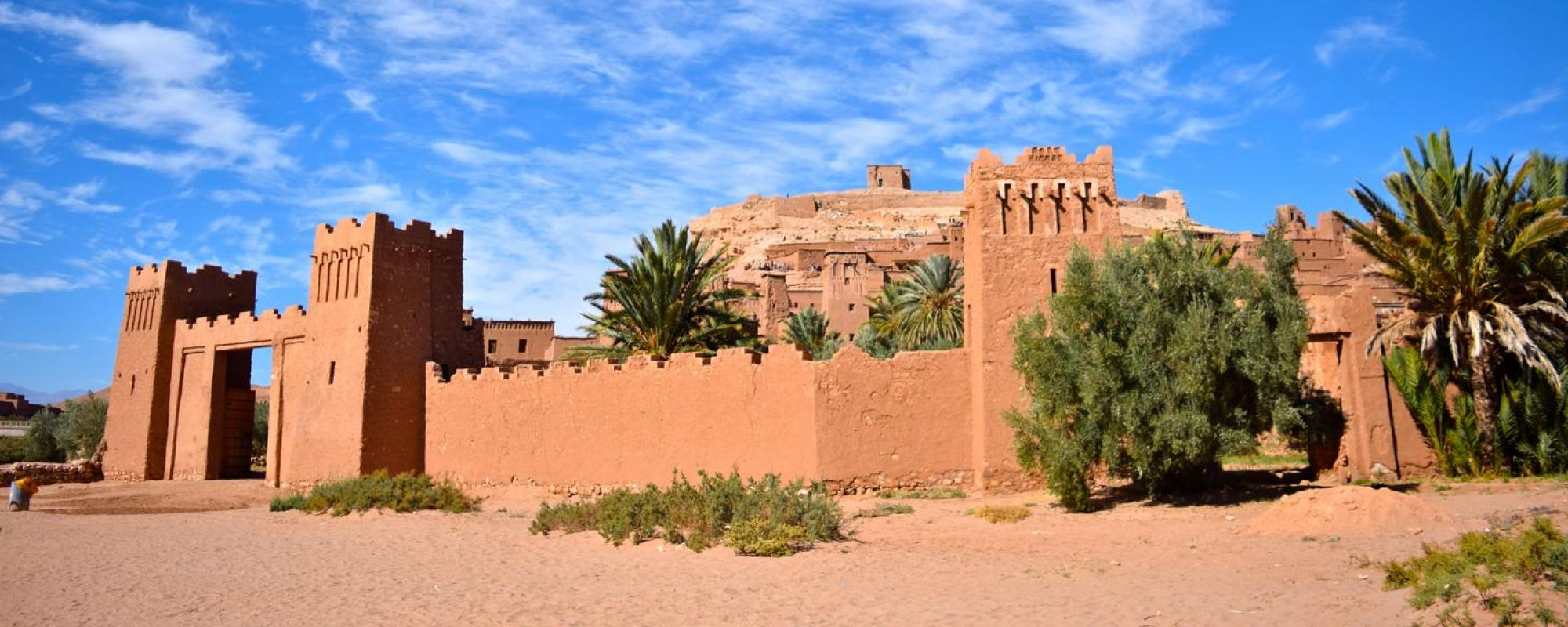
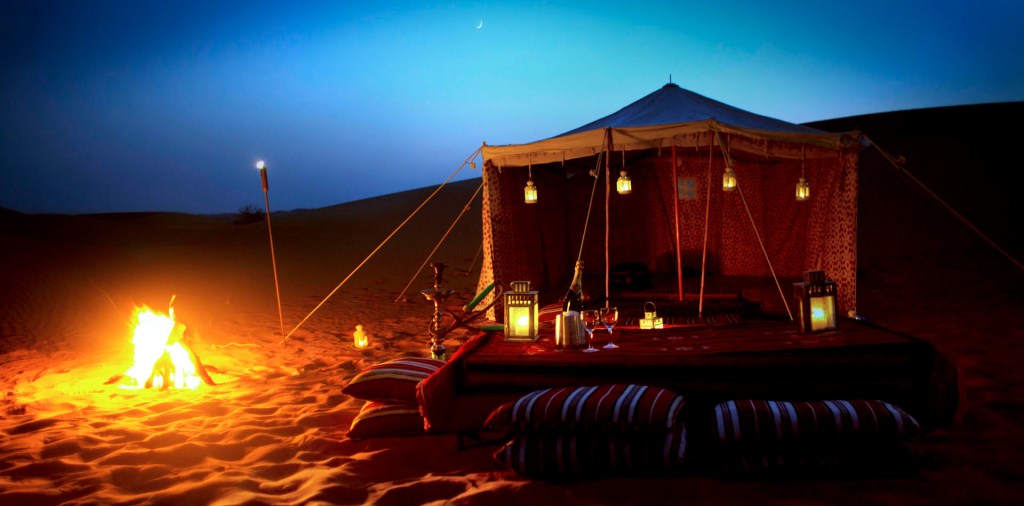
An essentialised desert scene

Morocco is a country which seems to often be misrepresented in many ways. I think that overall, many countries in the Middle East and North Africa (MENA) are often displayed, from a tourism perspective at least, as places full of a sort of mystic and mysterious aura around them. I think this is largely due to how these locations are often portrayed in media and film. One of my thoughts of the MENA region goes immediately to tales from the One Thousand and One Nights, Paulo Coelho’s “The Alchemist,” or the ‘Disneyfication’ of Arabic cultures, such as in Aladdin. Several desert trips and tours are available to tourists, such as this, that provide an essentialised and stereotypical version of Morocco.

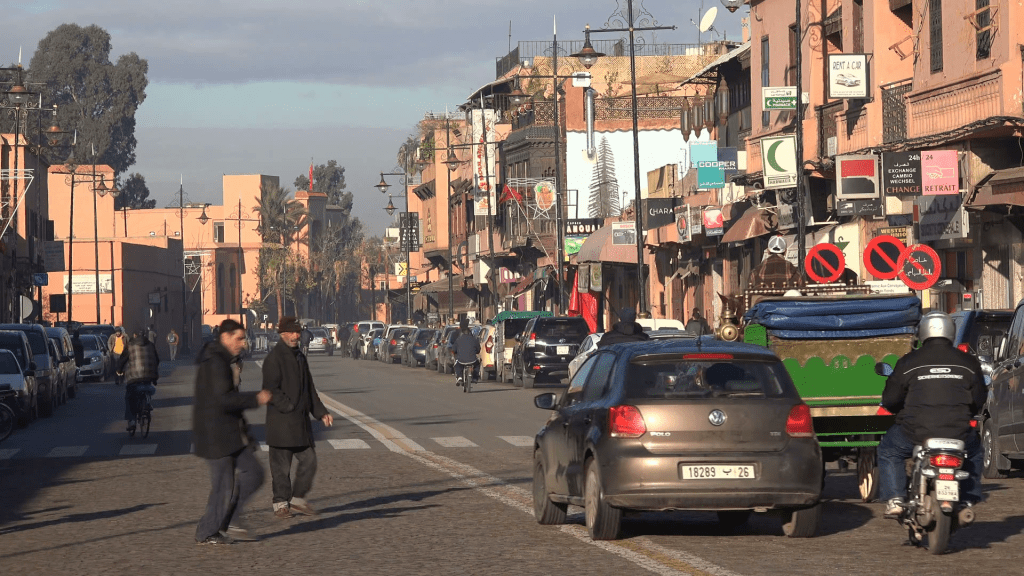
A typical bustling street in Marrakech

In reality, Morocco is a modern country, full of both bustling cities and lesser-populated outer regions. There are certainly many conceptions that are partly true, such as the mostly arid landscape and emphasis on religion, but even these are not entirely valid. Since Morocco lies on the coast of the Atlantic Ocean, many of its coastal cities experience mild temperatures with plenty of vegetation. Additionally, while Islam is by far the dominant religion in the country, it is not nearly as strict as other Islamic MENA countries. Women, for example, are not obligated to wear hijabs in public.

Overall, while there are certainly some issues with essentializing certain aspects of tourist destinations, I think it is important to note that some essentialism is necessary. Describing every destination in a way that seemingly takes away any sort of special meaning that may be affiliated with it is a harmful practice, as even though those meanings are socially constructed, they serve a purpose in having symbolic importance.

Sources:

Images: https://booktoursindubai.com/tour/overnight-desert-safari https://www.shutterstock.com/video/search/islam-cart

Other: https://www.marrakech-desert-trips.com https://www.roughguides.com/destinations/africa/morocco/culture-etiquette/

Moroccan Street Art: Connecting the Old to the New (Assessed)

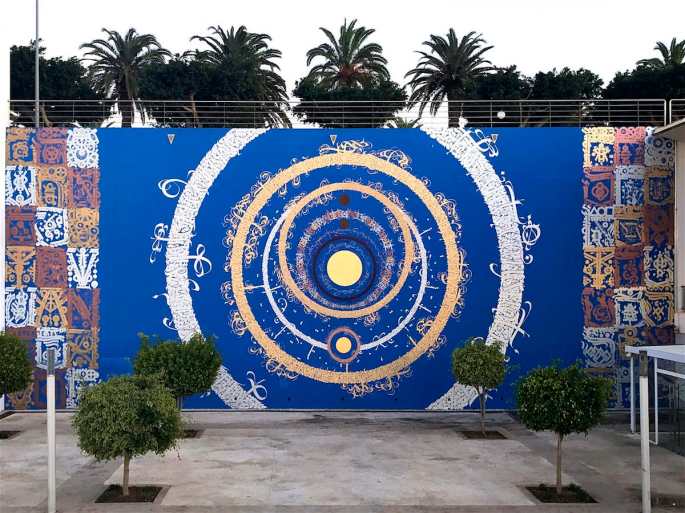
Overall, Morocco is not often known to have a particularly vibrant street art culture, as the country is often seen as relatively conservative by nature. However, the street art that does exist often highlights a connection between rich traditionalism and modernity, often incorporating traditional art on a nontraditional medium. This piece, found in Rabat, depicts the Moroccan poem ‘Dahbia’ by Annejjar in both traditional and nontraditional fashion. This mural uses calligraphy in the traditional Arabic, as well as Native American, Amazigh, and Latin calligraphy to depict the poem in a beautiful intertwining circular fashion. 

This piece particularly stuck with me because of how the traditional Islamic calligraphy is used in a public space to incorporate customary languages of Morocco and unique foreign languages. I would not call this piece, or Moroccan street art in general, “official” tourist attractions.

Street art is hardly the reason that people would visit Morocco, unlike a city like Melbourne that is known for its street art and has seemingly designated tourist locations for that purpose. However, even though Morocco is mostly a land of tradition, street art can provide a certain change of pace from the traditional sites of the country. Moroccan street art seems to often connect its past to its present, allowing a unique basis for its street art themes. I have personally always found Islamic calligraphy to be particularly beautiful, and when its utilized in a public space like the piece above, it can bring a blank urban environment to life.

Further exploration of street art in Rabat (including this piece) can be found through this Lonely Planet article, as well as this Culture Trip article.

Sources: https://www.lonelyplanet.com/articles/a-diy-street-art-tour-of-rabat-the-capital-of-morocco https://theculturetrip.com/africa/morocco/articles/a-street-art-tour-of-morocco/